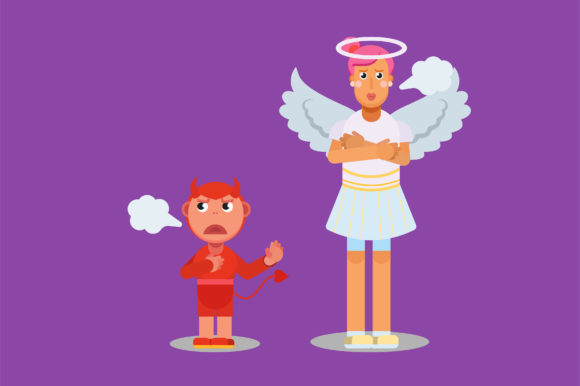
An Angel and a Little Devil: Halloween Graphics & Illustrations
When I first opened An Angel and a Little Devil, I was struck by the mood it sets. This is not your typical bright and cheerful Halloween vector. Instead, it leans into a sorrowful, gloomy, and quirky aesthetic that feels refreshingly different. As someone who has built multiple digital product shops on Etsy, Creative Fabrica, and Shopify, I have learned that standing out in a crowded marketplace often comes down to offering something with a distinct visual personality. This illustration delivers exactly that. The characters feel like they belong in a storybook or a gothic whimsical print, not just another batch of mass-produced clipart. The vector style is clean enough for commercial use, but the emotional tone gives it an edge that can attract buyers looking for something more artistic and less generic.
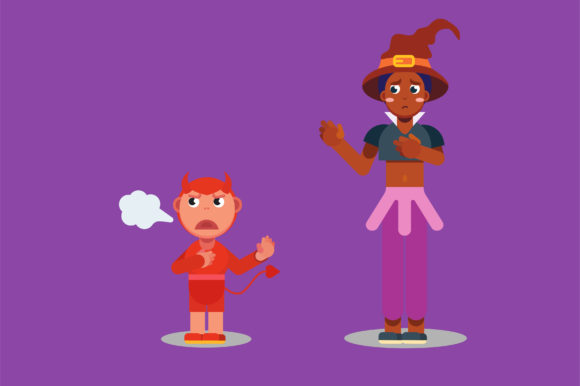
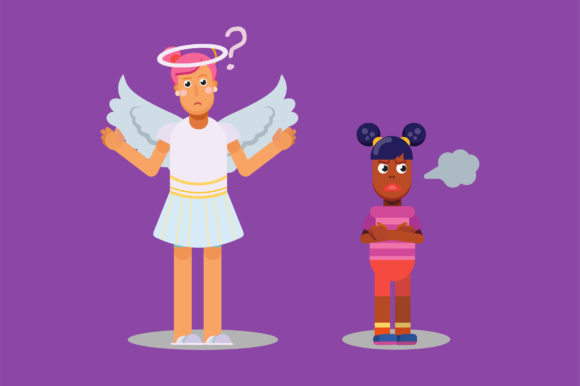
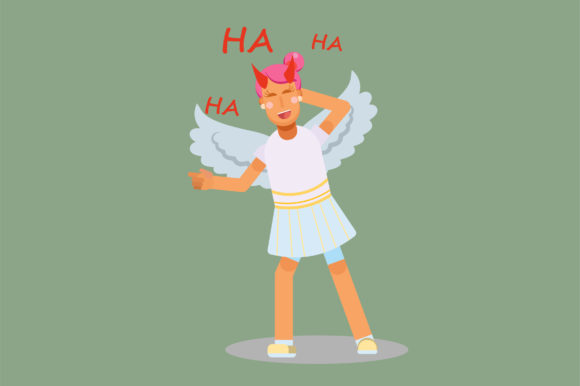
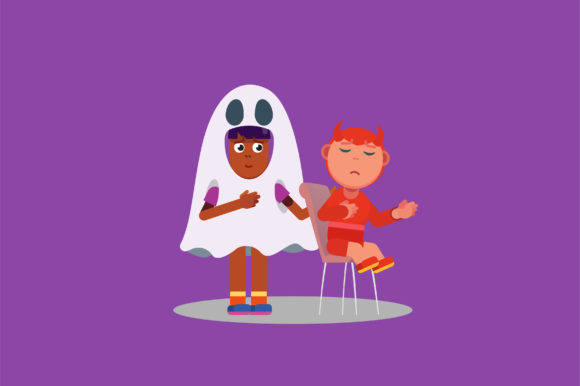
The product description mentions Characters Halloween Vector Illustration and an illustration of sorrowful Halloween characters. It describes a vector of gloomy and quirky Halloween people, noting that this character illustration can also be used as a sticker. That description is accurate. The angel and the little devil are not posed in a playful or cute manner. Instead, they carry a sense of melancholy and subtle darkness that makes them ideal for projects aiming at a more sophisticated or moody Halloween theme. For a digital seller, this kind of niche appeal is valuable. It allows you to target customers who are tired of the same cartoonish bats and pumpkins and want something that feels like original art.
First Impressions and Visual Personality
The first thing I noticed about An Angel and a Little Devil is how well the characters are balanced. The angel is sorrowful, almost ethereal, while the little devil has a quirky, mischievous sadness. Together, they create a narrative tension that works beautifully for product themes around duality, temptation, or the bittersweet side of Halloween. The vector lines are crisp, and the color palette is restrained enough to allow for easy integration into various designs. This is not a maximalist illustration; it leaves room for text, additional elements, or background treatments. That is a practical advantage when you are creating products like greeting cards, t-shirt graphics, or mug designs where the illustration needs to share space with other elements.
From a business perspective, this asset fits well into the growing demand for commercial design that feels handmade and artistic. Buyers on platforms like Etsy and Creative Market are increasingly drawn to illustrations that look like they could be framed art. The sorrowful expression of the characters adds a layer of emotional depth that can resonate with customers who want their Halloween decor to feel more personal and less generic. If you are a small business owner or a handmade business seller, this kind of graphic design asset can help you build a brand identity that feels curated and intentional.
Product Applications Across Multiple Selling Channels
One of the strengths of An Angel and a Little Devil is its versatility. Because it is a vector illustration, it can be adapted for a wide range of products without losing quality. Here are the main categories where I see this asset performing well in a real shop scenario:
- SVG design and Cricut projects – The clean vector outlines make this a strong candidate for cut files. If you are a Cricut user or a digital product creator selling SVG bundles, you can use these characters for iron-on vinyl decals, sticker sheets, or layered papercraft. The sorrowful expressions translate well into larger decorative pieces where the detail can be appreciated.
- PNG design and sublimation designs – For print-on-demand products like t-shirts, tote bags, and tumbler wraps, the illustration works as a standalone graphic or paired with a subtle background. The moody tone fits particularly well on dark apparel or on white with a distressed vintage effect.
- Printable wall art and nursery prints – This is where the sorrowful, storybook quality really shines. Framed as a series, the angel and devil could become part of a Halloween art collection that feels more like an illustration from a children's book than a typical holiday decoration.
- Sticker design and planner stickers – The product description explicitly mentions sticker use, and I agree. The characters have enough detail to look good as die-cut stickers, though I would recommend testing them at smaller sizes to ensure the facial expressions remain readable.
- Greeting cards and invitation templates – The duality of the characters makes them perfect for Halloween party invitations, especially for events targeting adults or teens who appreciate a darker aesthetic. Pairing the illustration with a handwritten font or a serif font can elevate the overall design.
- Canva templates and social media graphics – Because the illustration is a vector, you can easily import it into Canva or other design tools and scale it for blog headers, Instagram posts, or Pinterest pins. The emotional tone of the characters can help your social media graphics stand out during the Halloween season.
- Scrapbooking kits and digital paper packs – The characters can be used as focal elements in a larger kit, paired with coordinating patterns and textures. This is a common strategy for building design bundles that sell well on creative marketplaces.
Product Presentation and Thumbnail Strategy
When I evaluate a graphic design asset for my own shop, I always consider how it will look in a product mockup and as a marketplace thumbnail. An Angel and a Little Devil has a strong silhouette and a distinctive mood, which helps it read well at small sizes. That is critical for Etsy product listings and Creative Fabrica previews where the thumbnail is often the first and only impression. I recommend testing the illustration on both white and dark backgrounds to see which version creates more contrast. In my experience, the sorrowful tone of these characters pops better on a muted dark background or a soft cream, rather than a stark white.
For product mockups, I would suggest placing the illustration on a framed print, a ceramic mug, or a tote bag to give potential buyers a clear sense of scale and application. The emotional quality of the characters can be amplified by the right mockup setting. A warm, dimly lit room or a vintage-style flat lay can reinforce the gloomy yet quirky vibe. This is where visual storytelling becomes a sales tool. Buyers are not just purchasing a file; they are purchasing the feeling that the final product will evoke in their own home or shop.
Where This Asset Works Best
Based on my testing, An Angel and a Little Devil performs best in the following contexts:
- Large product previews where the detail of the characters can be seen clearly
- Themed bundles that focus on emotional or narrative Halloween concepts
- Decorative layouts where the illustration is the hero element
- Printable products that benefit from a hand-drawn, artistic feel
- Merchandise graphics for brands targeting a more alternative or gothic audience
- Social media promotions that rely on strong visual identity
- Digital downloads where the buyer expects a premium, original illustration
Where to Use This Asset with Caution
No asset is perfect for every application, and being honest about limitations helps avoid customer complaints and returns. Here are the areas where I would advise caution with An Angel and a Little Devil:
- Tiny sticker details – The faces have subtle expressions that may be lost if the illustration is scaled down too much. If you are creating planner stickers or small embellishments, test the legibility first.
- Overly complex layouts – Because the characters have a strong emotional presence, crowding them with too many other elements can dilute the impact. This illustration works best as a focal point.
- Low-resolution print products – Always confirm that the vector file is exported at adequate resolution for the product you are creating. Sublimation and large-format prints require higher DPI than standard digital use.
- Crowded thumbnails – For marketplace listings, avoid placing the illustration in a busy thumbnail. The sorrowful mood needs breathing room to be effective.
- Dark backgrounds with weak contrast – The characters may have darker tones in their shading, so test them against any dark background to ensure they remain visible and distinctive.
- Text-heavy templates – If you are adding large amounts of text, the illustration may compete for attention. Consider using it as a background element or a smaller accent in such cases.
- Cutting lines for Cricut or Silhouette projects – If you are selling the SVG as a cut file, inspect the paths carefully. Intricate details around the wings or small facial features may need simplification for clean cutting.
Practical Seller Notes for Testing and Launching
Before you publish a listing featuring An Angel and a Little Devil, I recommend running through this checklist. These are the same steps I use when I add a new graphic design asset to my own shops:
- Test on real mockups – Do not rely on the raw file alone. Place the illustration on a product mockup that matches your target use case. See how it looks at actual product scale.
- Preview as a marketplace thumbnail – Shrink the illustration down to the size it will appear in search results. If the expression or details are lost, consider using a cropped version that highlights the most recognizable part of the design.
- Check white and dark backgrounds – The same illustration can look dramatically different depending on the background color. Save versions optimized for both scenarios if needed.
- Test print colors – If you are selling printable files, print a sample at home or through a local printer to confirm that the colors match what you see on screen. Monitor calibration can vary significantly.
- Verify PNG transparency – If you are offering a PNG version, check that the transparency is clean and that there are no halos or rough edges around the characters.
- Inspect SVG cut quality – For Cricut projects, open the SVG in your design software and check that all paths are closed and that there are no overlapping lines that could cause cutting issues.
- Confirm file resolution – Ensure that the vector file is supplied at a resolution that supports the largest product you intend to offer. 300 DPI is standard for print, but larger wall art may require higher settings.
- Organize files clearly for customers – If you are selling a bundle, name your files in a way that makes sense for the buyer. Include separate folders for SVG, PNG, EPS, or other formats.
- Pair with appropriate font styles – Depending on the product, test the illustration with a serif font for a classic look, a sans serif font for modern minimalism, a script font for elegance, a handwritten font for a personal feel, or a display font for bold headlines. The right font pairing can make or break the final design.
- Confirm commercial licensing – Before selling any finished product, read the license agreement for the illustration carefully. Some assets have restrictions on print runs, usage in templates, or redistribution. Make sure your intended use is covered.
Building a Collection Around This Asset
One strategy that has worked well for me is to build a small product collection around a single strong illustration. With An Angel and a Little Devil, I can imagine creating a seasonal bundle that includes a printable wall art set, a set of four greeting cards, a t-shirt design, and a sticker sheet. Each product targets a different buyer, but the consistent visual theme builds brand identity and encourages repeat purchases. The sorrowful and quirky tone of the characters gives the collection a cohesive mood that feels curated rather than random.
For packaging design, the illustration could be used on gift tags, treat boxes, or wrapping paper for a Halloween market booth. The emotional quality of the characters adds a layer of storytelling that can make physical products feel more special. If you are a handmade business seller, this kind of asset can help you create a professional-looking product line without needing to commission original artwork for every item.
Final Thoughts on Commercial Viability
An Angel and a Little Devil is a graphic design asset that offers genuine value for digital sellers who are looking for something with a distinct artistic voice. It is not a generic Halloween clipart set. It is a moody, narrative-driven illustration that can support a range of commercial products from printable wall art to apparel graphics. The key to success with this asset is understanding its emotional tone and using it in contexts where that tone is an asset, not a distraction. For shops targeting customers who appreciate gothic, storybook, or alternative aesthetics, this illustration can be a strong addition to a product lineup.
As with any digital product you purchase for resale or commercial use, thorough testing is essential. Take the time to evaluate how the vector performs at different scales, on different backgrounds, and in different product formats. The more you understand the strengths and limitations of An Angel and a Little Devil, the better you can position it in your shop and the fewer surprises you will encounter when customers start buying. That is the practical reality of working with design assets, and this illustration is well worth the effort if it fits your brand and your audience.