Character - a Boy Laughing: An Embroidery Designer's Verdict
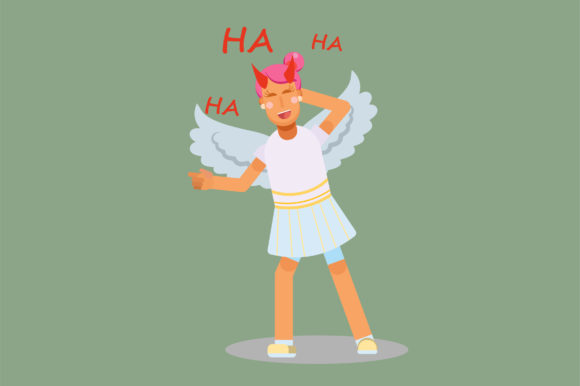
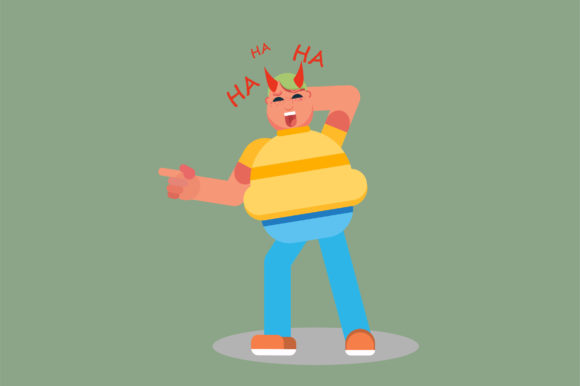
When I first opened Character - a Boy Laughing, I was struck by its raw, playful energy. This isn't a polished, sanitized cartoon grin. It's a genuine, open-mouthed laugh, the kind that crinkles eyes and makes you feel like you walked in on a private joke. As someone who spends hours digitizing and stitching out designs for clients, that authentic mood is a rare find. The vector illustration style gives it a hand-drawn, almost sketch-like quality, which immediately told me this wasn't going to behave like a standard clip-art face. It has personality, and in the world of machine embroidery design, personality is what sells.
Right away, I started thinking about what this embroidery file would look like after a few thousand stitches. The character's face is built on clean, bold lines and expressive features. The laugh lines around the eyes, the open mouth, the slight tilt of the head — these are details that can either sing or fall apart in thread. Based on what I see in the Illustrations category, this piece was designed with versatility in mind. The description mentions it works as a sticker, and I can confirm that the same clarity and punch would translate beautifully to an embroidered patch or a centerpiece on custom apparel.
The First Stitch-Out: Testing the Mood on Fabric
I always test a new design on scrap fabric before I commit it to a client project. For Character - a Boy Laughing, I wanted to see how that joyful expression held up in thread. I ran a test on medium-weight cotton twill, using a standard hoop size that suited the design's proportions. The first thing I noticed was the readability. Even at a moderate size, the laughing expression was instantly recognizable. The fill stitch areas in the face and hair laid down smoothly, and the satin stitch outlines gave the whole piece a crisp, embroidered edge.
What impressed me most was how the mood translated. In the vector file, the boy's laugh is infectious. On fabric, it kept that same energy. The stitch density felt balanced — not so dense that the fabric puckered, but substantial enough that the design had heft and quality. This is crucial for anyone selling handmade products or running a craft business. A design that looks good on screen but loses its spirit in the hoop is useless. This one kept its soul.
A Real Project: The Custom Tote Bag That Made Everyone Smile
Last month, a regular Etsy seller reached out wanting something fresh for her spring market collection. She was tired of the same floral monograms and wanted a personalized gift option that felt genuinely happy. I suggested a tote bag design featuring Character - a Boy Laughing as the main focal point, stitched on natural canvas with bright contrasting thread. She was hesitant — it's not a typical tote bag motif — but she trusted me.
The result was immediate. That finished product sold at her first market. Then she made more. Customers stopped at her booth because the laughing face drew them in. It felt friendly, approachable, and completely unexpected for a tote bag. She later told me it became her best-selling small shop product that month. This is the kind of practical value I look for in a digital embroidery file. It's not just about whether the design stitches out cleanly. It's about whether it connects with people. This one connects.
Where Character - a Boy Laughing Performs Best
Over the years, I've stitched hundreds of designs onto everything from sweatshirt embroidery to delicate baby embroidery. Here is where I believe this design truly shines:
- Custom apparel: T-shirts, sweatshirts, and hoodies benefit from the design's bold, expressive lines. The laughing face works as a chest or back piece.
- Tote bags and aprons: The playful mood fits casual, everyday items that people carry or wear in public. It starts conversations.
- Embroidered patches: The clean outline and manageable size make it ideal for iron-on or sew-on patches. Great for Etsy sellers looking for patch designs with character.
- Pillow covers and tea towels: Home decor items with a sense of humor sell well. This design adds personality to a kitchen or living space.
- Nursery decor and children's gifts: The laughing expression is universal. It works for a kid's room or as a holiday gift for a young family.
- Boutique branding and printable mockups: The vector format means you can use it in design assets for product mockups, marketing materials, or digital previews.
For commercial embroidery projects, this design is a solid choice. It has a clean aesthetic that doesn't rely on trendy gimmicks. That gives it longevity. You can stitch it this season and still feel good about it next year.
Where to Use This Design Carefully
No design is perfect for every surface, and Character - a Boy Laughing has its limits. Here is where I advise caution:
- Small hoop sizes: If you try to cram this design into a tiny hoop, the facial details — especially the eyes and mouth — will lose definition. Test it at your intended size before committing.
- Textured fabrics: Fleece, thick knits, and heavily textured materials can blur the lines of the laughing expression. Stick to smooth or mid-weight fabrics for the cleanest result.
- Thin or stretchy fabric: The fill stitch areas need stable backing. On lightweight jersey or stretchy knits, use a quality stabilizer and test for distortion.
- Dark fabric: The design relies on clear contrast between the face and background. On dark fabric, consider light thread colors or a layered approach to maintain visibility.
- Curved surfaces like caps: The layout is relatively compact, but I would test it on a curved surface before committing to a bulk order. Some of the facial details may need adjustment.
- Dense stitch areas: While the overall density felt balanced in my test, I always recommend checking the stitch density report in your software. Dense areas can cause puckering on thin fabrics or require additional stabilization.
- Products that need frequent washing: For items like kitchen towels or baby clothes that see heavy washing, test the design with high-quality threads and a secure backing. The satin stitch outlines should hold up well, but always confirm.
Visual Appeal, Business Value, and Buyer Trust
From a business perspective, Character - a Boy Laughing offers something many applique design or standard face designs lack: emotional recognition. When a customer sees a laughing face, they smile. That immediate positive reaction translates to perceived value. A handmade product featuring this design feels more personal, more giftable. For an Etsy seller or small shop product creator, that emotional hook is gold.
I've noticed that designs with clear, readable expressions tend to generate higher engagement in online listings. When you use this design in a printable mockup or as part of your design assets for a new collection, it draws the eye. It also photographs well. The bold shapes and contrasting lines hold up in product photos, which is a major advantage for craft business owners who rely on visual platforms.
For personalized gifts, this design works because it feels specific. A laughing boy on a custom sweatshirt embroidery project or a baby embroidery piece suggests a real person, a real moment. That authenticity builds customer trust. Buyers feel like they are getting something crafted with care, not a generic, mass-produced image.
Practical Embroidery Designer Notes Before You Start
Before you load this machine embroidery design into your machine and run with it, here are a few recommendations from my own bench:
- Test on scrap fabric first. This applies to every design, but especially one with facial expressions. Make sure the laugh reads clearly at your intended size.
- Check thread color contrast. The design works best with high contrast between the face and the background. Test it in black and white mockups first to see if the values separate well.
- Review stitch density. Open the file in your embroidery software and inspect the density map. If you see areas that are unusually dense, consider adjusting before stitching.
- Confirm hoop size. Make sure the design fits comfortably in your hoop with room for stabilizer and fabric movement. Cramped hooping leads to misalignment.
- Inspect small details. The eyes and mouth are the emotional core of this design. If they are too small for your intended product, consider scaling up or simplifying.
- Test on both light and dark fabric backgrounds. The design may need thread color adjustments depending on your base material.
- Use proper stabilizer. A medium-weight tear-away or cut-away stabilizer works well, depending on your fabric. For stretchy fabrics, use a stabilizer designed to reduce distortion.
- Check licensing for commercial use. Since this design comes from the Illustrations and Graphics categories, confirm that your intended use — whether selling finished products or digital files — is covered by the license terms.
- Test it in a real product scenario. Stitch it onto the actual product type you plan to sell. A test on scrap fabric is good, but a test on a real tote bag or sweatshirt tells you everything.
Final Thoughts on Character - a Boy Laughing
I've reviewed a lot of embroidery project designs over the years. Many are technically sound but emotionally flat. Character - a Boy Laughing has the rare combination of technical practicality and genuine human warmth. It stitches out cleanly, it fits a wide range of product categories, and it makes people feel something. For a designer, a craft business owner, or an Etsy seller looking for a design that works hard and connects with buyers, this is a smart addition to your library.
Just remember to test it, respect its limits on tricky fabrics, and let that laughing face do the work. It will earn its place in your product lineup.